Summary notes are now available!

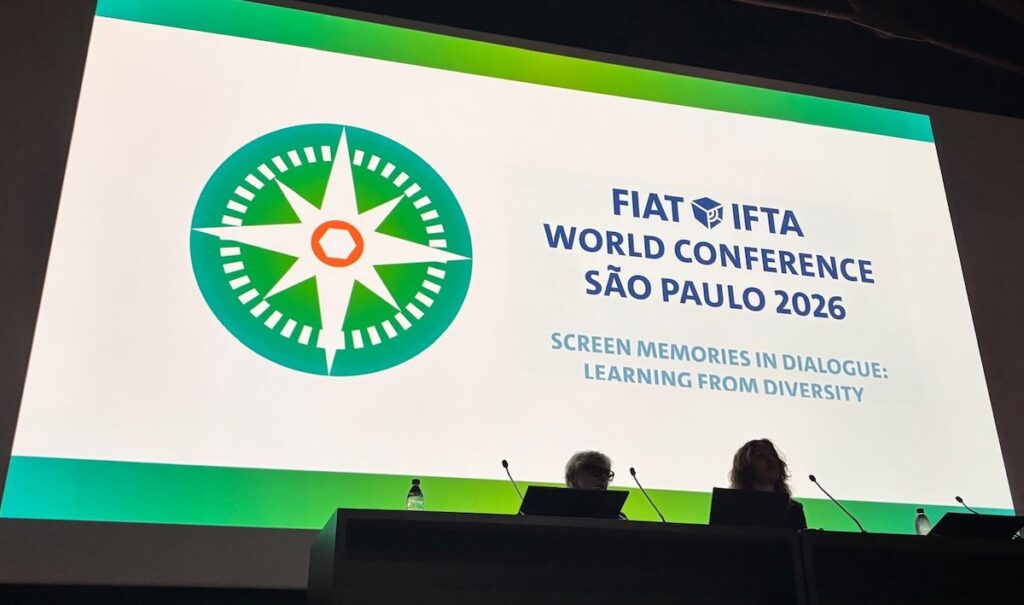
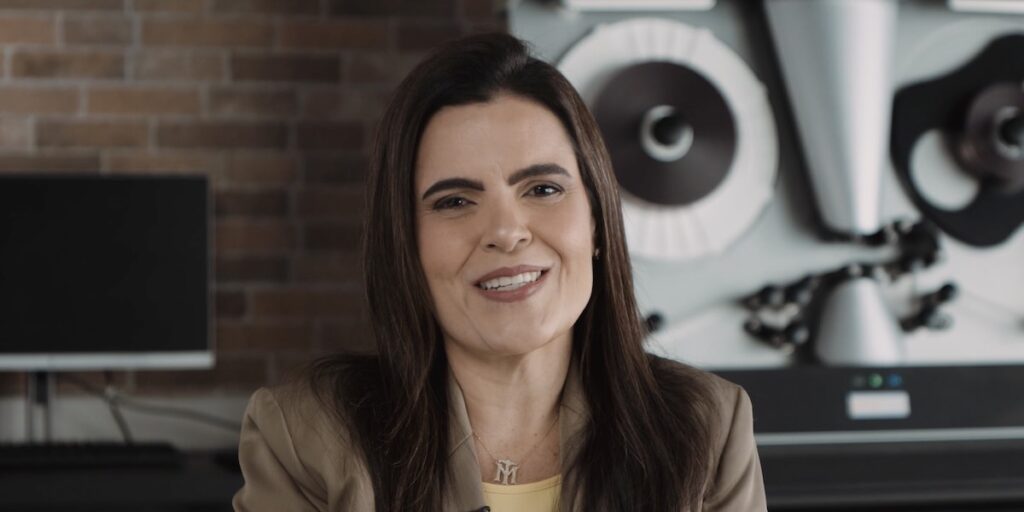
Virginia Bazán-Gil Reelected as FIAT/IFTA President
Joined by New Executive Council Members

Summary notes are now available!

Managing Generative AI content in audiovisual archives requires careful consideration of transparency, standards, and documentation. Archives must be transparent about AI-generated content, using visual cues, narration, or credits to indicate AI usage to audiences. Within production teams, tracking AI-generated elements is crucial, especially as AI tools become integrated into standard production software.
Organisations need robust cataloging standards to document content provenance, with emerging frameworks like C2PA and SMPTE Standards leading the way. All AI-generated elements – including video, images, music, text, and transcriptions – require clear labelling and disclosure. This is particularly critical for news production, where human oversight remains essential.
While larger organisations may have resources to implement these standards, smaller archives may face significant challenges in keeping pace with these requirements. A key challenge lies in managing copyright ownership of AI-generated content within archives – determining ownership, usage rights, and licensing authority.
The wider television industry needs aligned standards across broadcasters and streamers to ensure consistent implementation, while balancing governance requirements with operational realities and innovation.
Using audiovisual archives for generative AI training presents both opportunities and complex challenges. The key considerations include legal, copyright, ethical, privacy, and licensing aspects.
While publicly accessible works may be used for training (subject to regulatory approval), technology companies also need access to non-public archive content. This raises important questions about licensing terms, fees, and the scope of granted rights.
Two strategic advantages have emerged for audiovisual archives in this space:
Moving forward, successful implementation requires clear definition of rights ownership, understanding of AI outputs and uses, and collective agreement among rights holders. The goal is to balance societal benefits with protecting rights holders’ interests, particularly in news media.
If you missed the live session or want to revisit the insightful conversation, you can now watch the full recording on the FIAT/IFTA YouTube channel.
We also invite you to explore the curated online resources mentioned during the session in the roundtable website page.
Thank you again to our speakers, attendees, and everyone supporting the conversation around innovation and preservation.